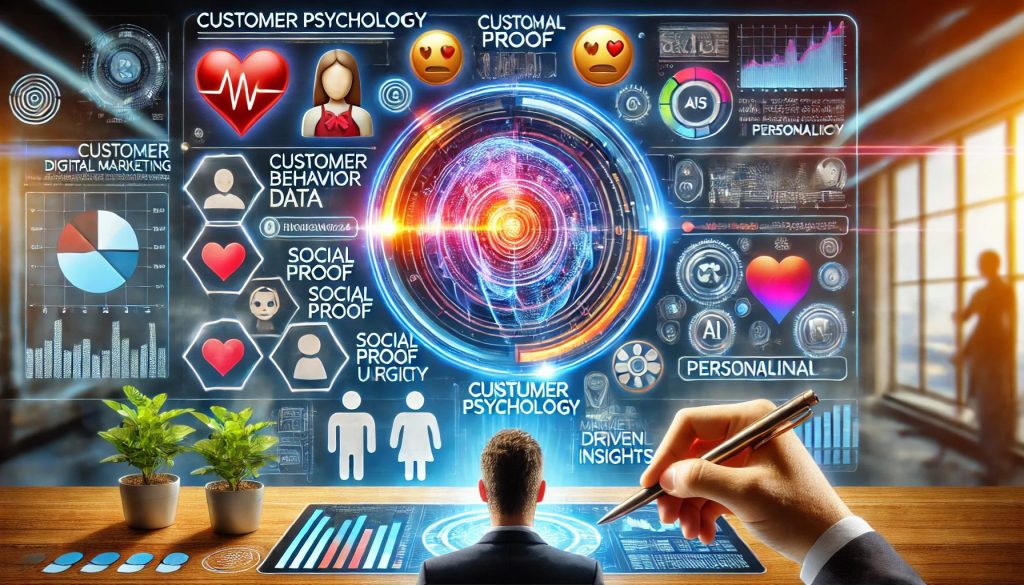
Understanding consumer behavior is at the heart of successful digital marketing. People don’t always make rational decisions when purchasing; emotions, subconscious triggers, and cognitive biases play a significant role. By applying psychological principles, you can craft marketing strategies that effectively influence buyer decisions.
The Power of Emotional Triggers
Emotions drive decision-making more than logic. Consumers often justify purchases with logic, but the initial decision is rooted in emotion. Brands that connect emotionally with their audience create lasting impressions and drive engagement. Using storytelling, compelling visuals, and relatable messaging can evoke emotions like trust, excitement, or urgency, leading to higher conversions.
The Principle of Social Proof
People tend to follow the crowd. When they see others benefiting from a product or service, they are more likely to trust and buy it themselves. This is why testimonials, user reviews, and influencer endorsements are powerful marketing tools. Showcasing customer success stories and case studies helps build credibility and influence purchasing decisions.
Scarcity and Urgency Techniques
Creating a sense of urgency can push hesitant buyers toward making a decision. Limited-time offers, countdown timers, and exclusive deals tap into the fear of missing out (FOMO), compelling customers to act quickly. When people perceive something as rare or time-sensitive, they assign it higher value and make faster purchasing decisions.
The Authority Bias
Consumers are more likely to trust and buy from brands that position themselves as experts. When businesses showcase authority through informative content, certifications, and expert opinions, they gain credibility. High-quality blog posts, industry reports, and partnerships with recognized professionals help establish a brand’s expertise.
Personalization and Cognitive Ease
Customers appreciate experiences tailored to their preferences. Personalized recommendations, targeted ads, and customized email campaigns make people feel valued and understood. Additionally, making the purchasing process simple and seamless reduces cognitive load, increasing the likelihood of completing a transaction.
The Reciprocity Principle
People tend to return favors. When businesses provide free value—such as helpful content, free trials, or exclusive resources—customers feel a subconscious obligation to reciprocate, often by making a purchase. This is why lead magnets like eBooks, webinars, and free consultations are effective marketing tools.
Color Psychology in Marketing
Colors influence emotions and purchasing behavior. For example, red stimulates urgency, blue creates trust, and yellow evokes optimism. Brands use color strategically in logos, ads, and website designs to create specific emotional responses and strengthen brand identity.
Simplifying Choices to Reduce Decision Fatigue
Too many choices can overwhelm buyers and lead to decision paralysis. Simplifying options, providing clear comparisons, and highlighting the best choice help customers make quicker and more confident purchasing decisions. Using structured layouts and guiding users through a straightforward sales funnel can enhance the user experience.
Conclusion
Digital marketing is more than just strategies and analytics—it’s about understanding the psychology of consumers. By leveraging emotional triggers, social proof, urgency, authority, personalization, and other psychological principles, businesses can craft more persuasive marketing campaigns. Mastering these techniques will help you connect with your audience, build trust, and ultimately drive more sales.