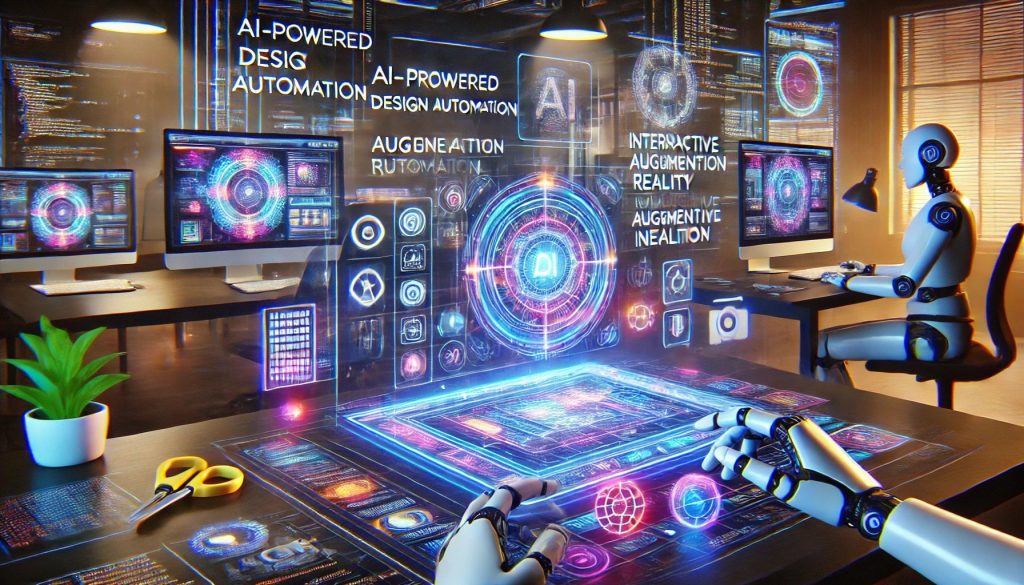
Web design is constantly evolving, with new trends emerging to enhance user experience, accessibility, and engagement. As we move into the future, staying ahead of these trends will be crucial for businesses and designers. Here are ten web design trends to watch in the coming years.
1. AI-Powered Design Automation
Artificial intelligence (AI) is transforming web design by automating tasks such as layout generation, image enhancement, and even content creation. AI-driven tools like Wix ADI and ChatGPT-powered assistants help designers streamline workflows and create intelligent, adaptive designs.
2. Immersive & Interactive Experiences
Users crave engagement, and interactive elements like animations, 3D graphics, and dynamic scrolling create a more immersive browsing experience. Expect to see more WebGL-powered designs, hover effects, and motion UI to make websites feel alive.
3. Dark Mode & Minimalistic UI
Dark mode continues to gain popularity for its sleek aesthetics and reduced eye strain. Minimalistic web design, focusing on clean layouts, ample whitespace, and subtle typography, enhances usability while maintaining a modern look.
4. Voice User Interface (VUI) Integration
With the rise of voice search and smart assistants, websites are incorporating Voice User Interfaces (VUIs). Expect to see more voice-activated navigation and AI-driven speech recognition features integrated into web design.
5. Augmented Reality (AR) & Virtual Reality (VR) Elements
AR and VR are redefining user interaction on the web, especially in eCommerce and real estate. Features like virtual try-ons, 3D product previews, and immersive virtual tours are becoming more accessible and widely adopted.
6. Accessibility-First Design
Web accessibility is no longer optional. Designers are prioritizing inclusive design practices such as high-contrast visuals, keyboard navigation, screen reader compatibility, and text-to-speech integration to ensure websites are accessible to all users.
7. Neumorphism & Glassmorphism
Neumorphism (soft UI) and glassmorphism (frosted glass effects) are trending design styles that add depth and dimension to interfaces. These aesthetic elements provide a futuristic and visually appealing touch to modern web designs.
8. Scroll & Micro-Interaction Innovations
Scrolling is no longer just about moving down a page. Horizontal scrolling, parallax effects, and micro-interactions (like hover effects and animated buttons) create engaging user experiences that keep visitors engaged.
9. Faster Load Speeds & Lightweight Websites
With Google prioritizing Core Web Vitals, web designers are focusing on speed optimization. Expect to see lightweight frameworks, efficient image compression, and improved coding practices to boost website performance and user satisfaction.
10. AI-Generated & Personalized Content
Dynamic content personalization is shaping the future of web design. AI algorithms analyze user behavior to deliver tailored content, product recommendations, and customized UI experiences, increasing engagement and conversions.
Final Thoughts
Web design is heading towards a future where AI, interactivity, accessibility, and immersive experiences take center stage. Staying updated with these trends will ensure your website remains modern, user-friendly, and competitive in the digital landscape.